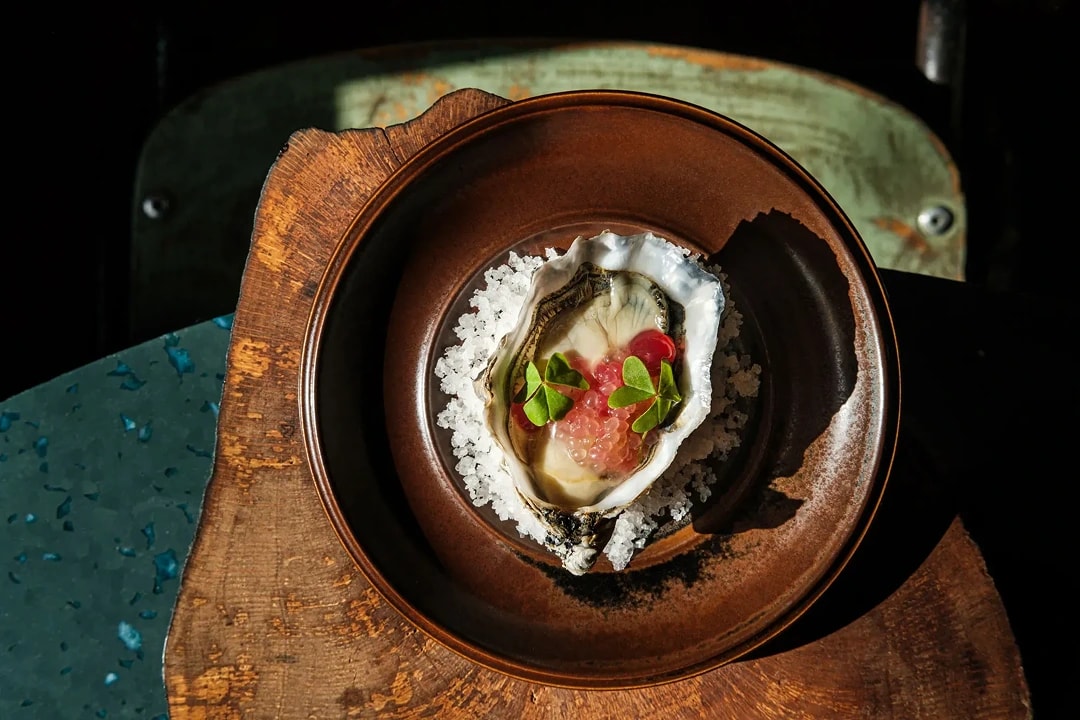
City Guides12 November 20259 min read
Where to Eat in Lisbon: 10 Restaurants Defining Fine Dining
The renaissance of Lisbon’s gastronomy, told through ten visionary tables.
Lisbon has entered a new era, one defined not by nostalgia but by reinvention. Once known for its humble tascas and traditional seafood taverns, the Portuguese capital now stands as one of Europe’s most captivating fine dining destinations. In kitchens across the city, a new generation of chefs is reshaping the culinary landscape, honoring heritage while breaking its boundaries.
This new Lisbon is not about excess or spectacle. It is about depth, identity, and a renewed sense of purpose. It represents the meeting point of old-world craftsmanship and forward-thinking creativity. From Michelin-starred icons to quietly revolutionary bistros, these restaurants capture the essence of what modern Lisbon tastes like: rooted in tradition, open to experimentation, and guided by an enduring respect for ingredients.
The ten restaurants that follow do more than serve exceptional food. They represent a collective movement, an evolution of Portuguese cuisine that embraces sustainability, storytelling, and the artistry of dining itself. Together, they form the pulse of a city that has redefined what fine dining can be.
The Defining Traits of the New Lisbon Cuisine
The new wave of Lisbon’s gastronomy is unified not by a single flavor but by a philosophy. Across kitchens from Chiado to Alfama, a handful of ideas recur: integrity of product, creativity without ego, and a commitment to a distinctly Portuguese sense of place.
Local sourcing has become an unspoken rule. Chefs build relationships with small producers, fishermen, and farmers, crafting menus that mirror the seasons rather than dictate them. Sustainability is not a trend here. It is an ethic, visible in everything from zero-waste kitchens to low-intervention wines.
Equally, the aesthetic has evolved. Tasting menus have become narratives, each course revealing a fragment of the chef’s story or Lisbon’s terroir. The presentation is minimalist yet meaningful, dishes arriving as art forms that invite curiosity without pretension.
And perhaps most importantly, the mood has shifted. Fine dining in Lisbon is now warm, human, and welcoming. It celebrates community as much as creativity. The new Lisbon cuisine is confident but never complacent, rooted in the authenticity of a culture rediscovering itself one plate at a time.
The 10 Restaurants That Define the New Lisbon
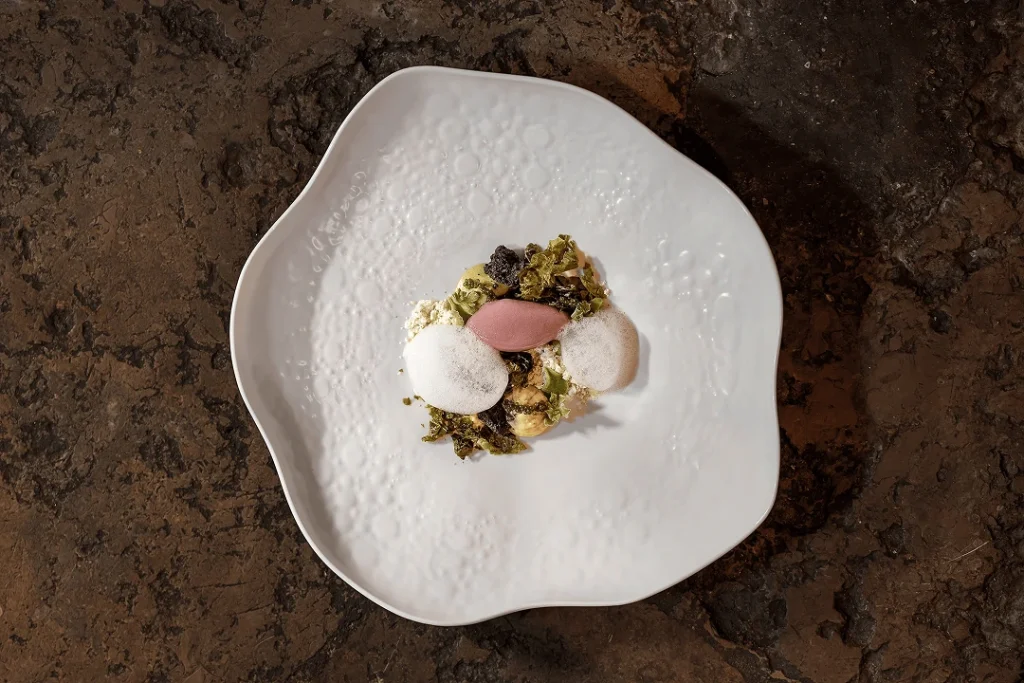
Alma
At Alma, chef Henrique Sá Pessoa turns Portuguese cuisine into pure poetry. The two Michelin stars are well earned, but the restaurant’s strength lies in its balance of elegance and comfort. Each course is graceful yet grounded, pairing refined technique with soulful storytelling. Seafood, seasonal produce, and local wines form the heart of the experience. The dining room’s intimacy and the staff’s quiet professionalism make Alma a place where Lisbon’s culinary spirit feels both timeless and renewed.
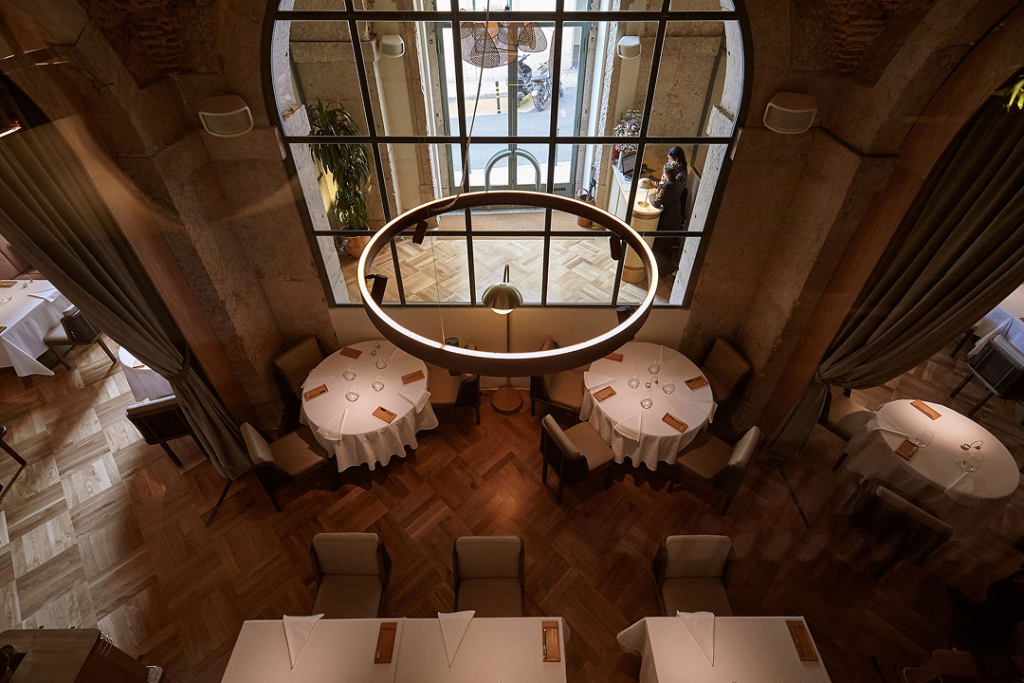
Belcanto
José Avillez’s Belcanto remains Lisbon’s gastronomic cornerstone. With two Michelin stars, it defines the sophistication of contemporary Portuguese dining. The experience unfolds like theatre: elegant pacing, meticulous service, and dishes that reinterpret national classics with imagination. From carabineiro shrimp to modern cozido, every course reflects Avillez’s balance of innovation and respect for tradition. Belcanto is more than a restaurant, it is a statement about Lisbon’s place on the global culinary map.
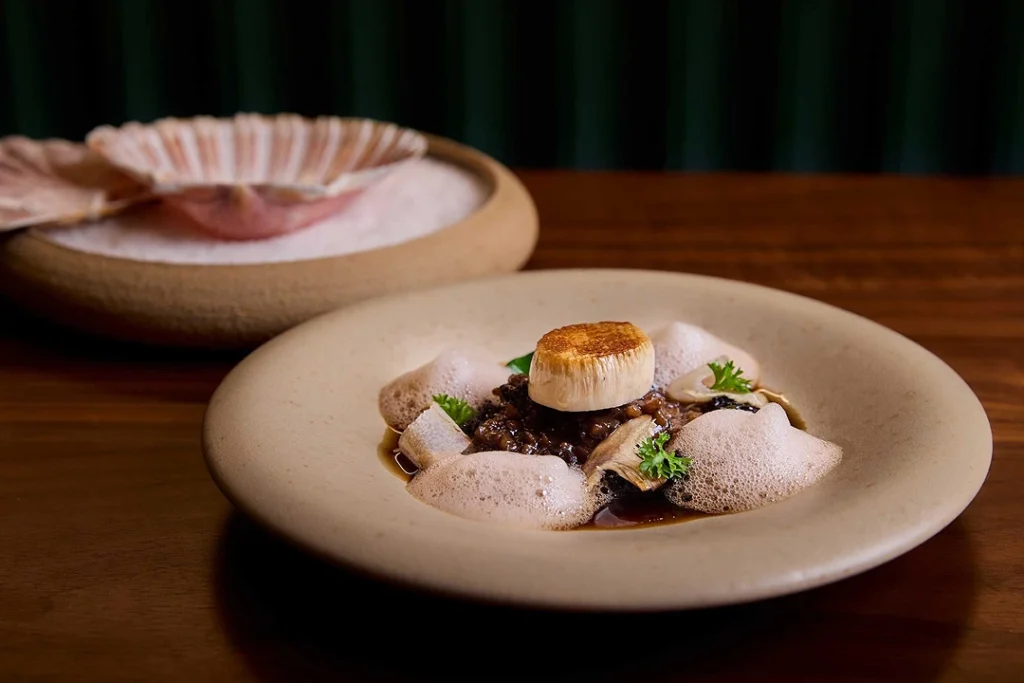
Encanto
At Encanto, chef José Avillez reimagines what vegetarian fine dining can be. Lisbon’s first Michelin-starred plant-based restaurant delivers a poetic 12-course tasting menu that feels both playful and profound. Each dish is an exploration of color, texture, and seasonality, presented with precision and joy. The space itself is serene and luminous, while the staff guide guests through each course with storytelling that turns the meal into a journey. Paired with Portuguese wines, Encanto proves that vegetables can be as luxurious as any caviar or truffle, and that Lisbon’s creativity knows no limits.
Lab by Sergi Arola
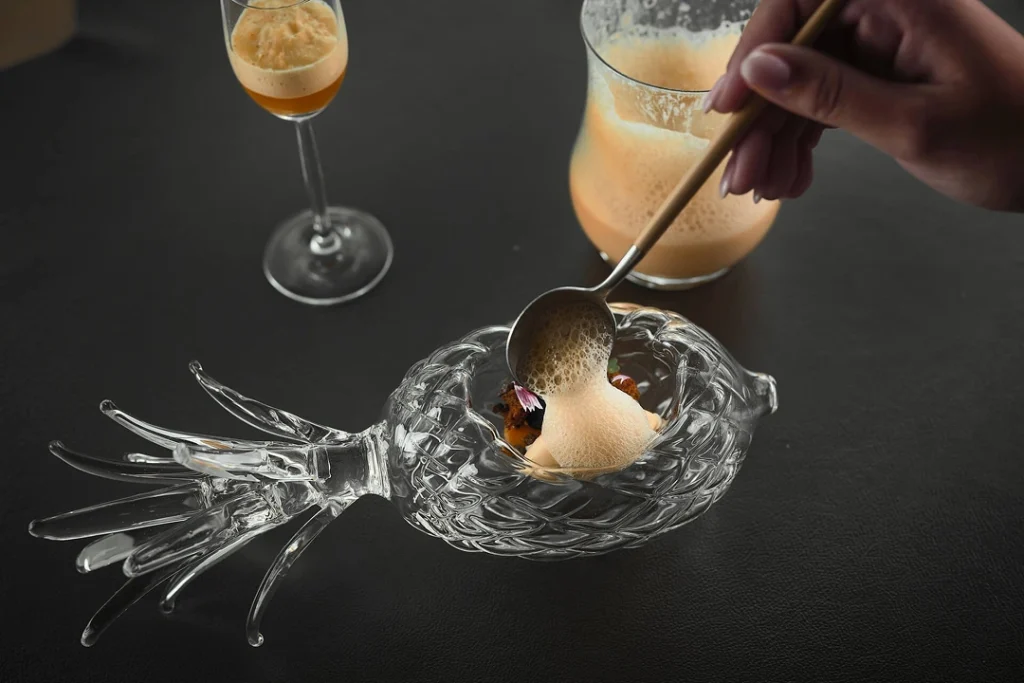
Spanish chef Sergi Arola’s Lab brings avant-garde flair to Lisbon’s fine dining world. The tasting menu is a playground of textures and emotions, where classic Mediterranean flavors meet cutting-edge technique. Each plate feels designed to challenge and delight in equal measure. Though Arola’s original restaurant was based at the Penha Longa resort, the spirit of Lab remains central to Lisbon’s contemporary dining narrative, a place where art, performance, and gastronomy converge.
Loco
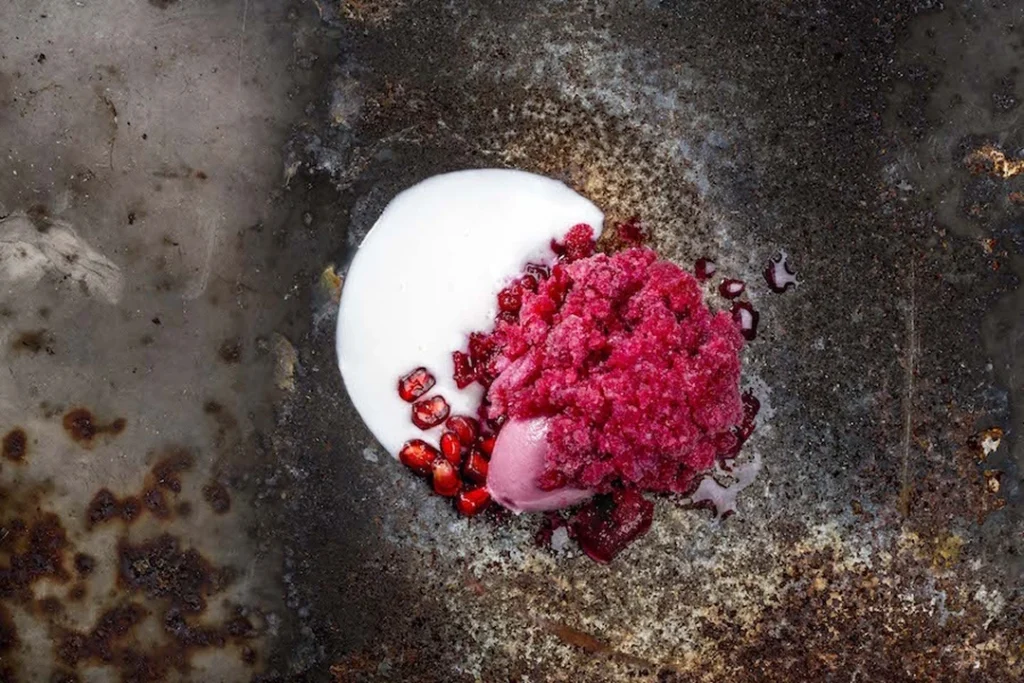
Chef Alexandre Silva’s Loco is where curiosity meets control. The Michelin-starred restaurant offers a 16-course tasting menu that feels like a symphony of textures and sensations. The space is small and sleek, anchored by a floating olive tree and an open kitchen that draws diners into the creative process. Every ingredient is Portuguese, every bite considered. Loco’s energy is experimental yet intimate, making it a destination for those who see dining as discovery.
Marlene,
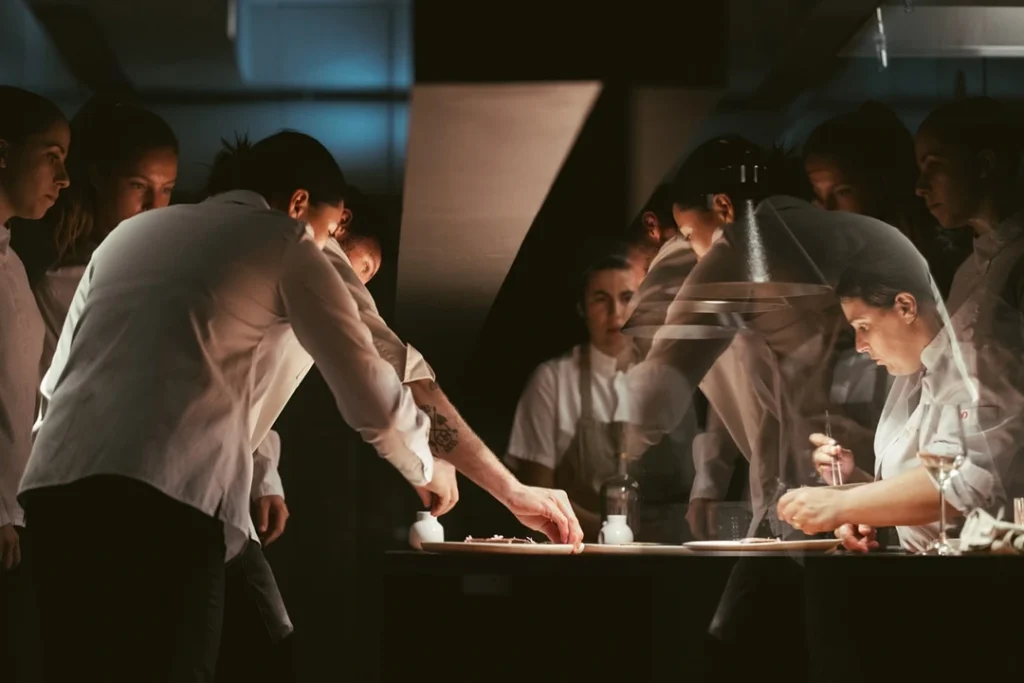
Chef Marlene Vieira’s restaurant is a love letter to Portuguese tradition written in the language of modern fine dining. Guests experience a sequence of “moments,” a tasting format that celebrates memory, emotion, and craftsmanship. The open kitchen radiates energy and warmth, while dishes reinterpret classics through bold presentation and contemporary flavor. Marlene represents a new generation of chefs who honor Portugal’s culinary roots yet refuse to stand still, offering one of Lisbon’s most emotionally resonant dining experiences.
Plano
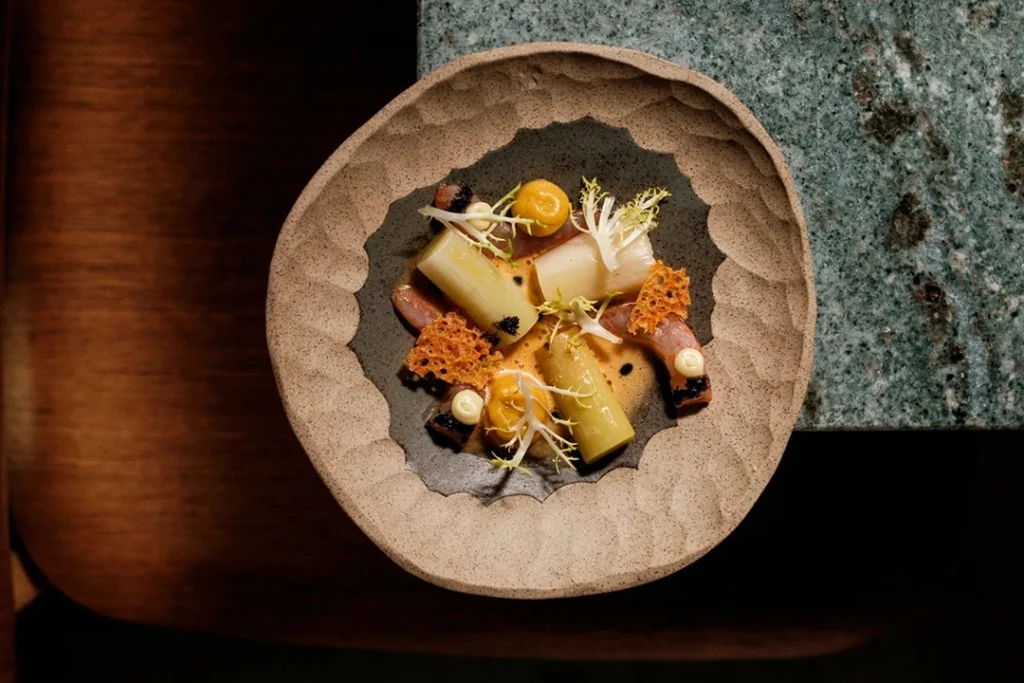
At Plano, chef Vítor Adão cooks with memory and flame. His menu pays homage to the mountains of Trás-os-Montes, transforming rustic ingredients into elegant, emotional plates. Everything here revolves around fire, smoke, char, and slow intensity bring out depth and texture. The result is both primal and refined, a true reflection of Portuguese identity. Plano’s storytelling through food and its sense of place make it one of Lisbon’s most personal and powerful dining rooms.
Prado
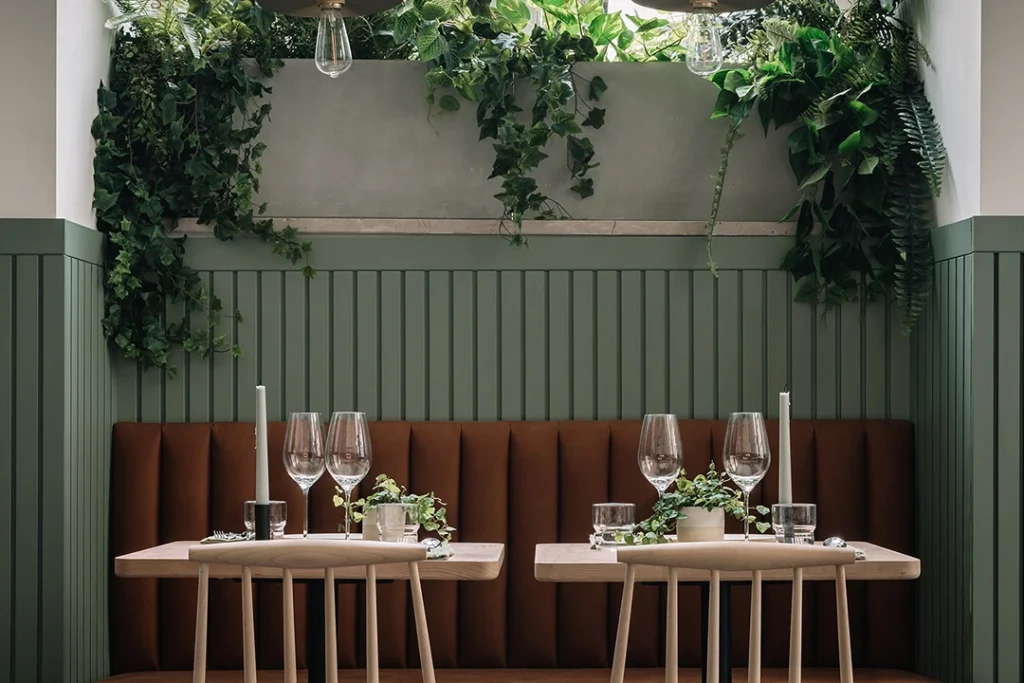
Prado redefines simplicity. Chef António Galapito’s approach is contemporary yet deeply Portuguese, rooted in local sourcing and seasonal intuition. Dishes such as smoked quail eggs or freshly caught fish reflect an honest relationship with nature and craft. The room is bright and relaxed, with greenery echoing the freshness of the menu. Prado’s ability to combine authenticity, style, and generosity has made it one of Lisbon’s most influential modern kitchens.
SEM
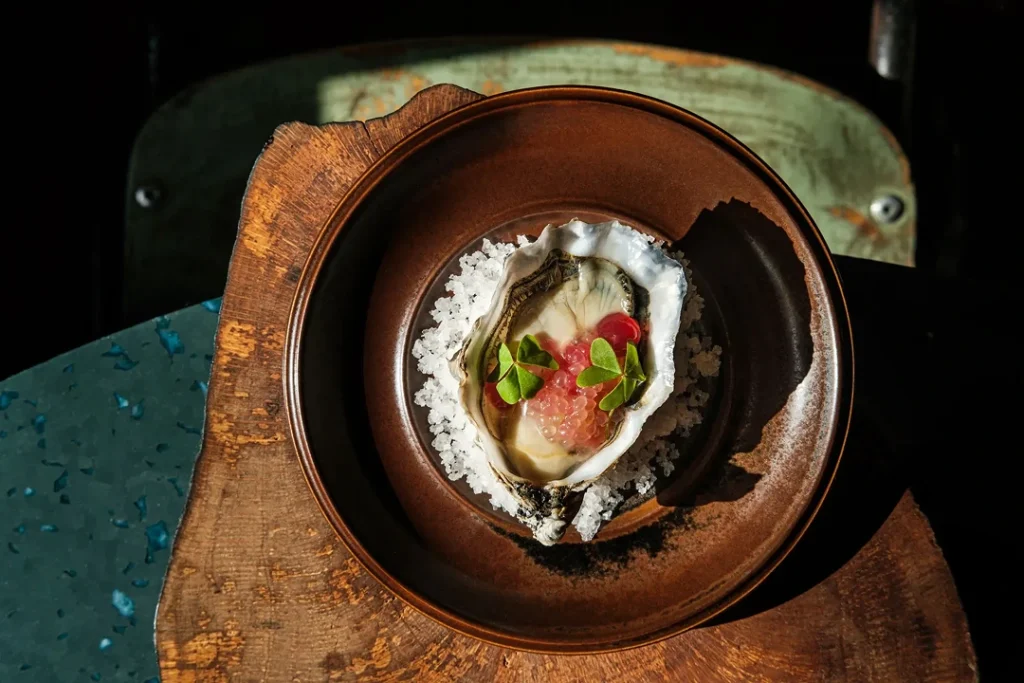
Tucked into Alfama, SEM is the definition of modern sustainability. The team, led by partners with backgrounds in top international kitchens, builds ever-changing menus around what’s available that day. Every part of each ingredient is used, every plate tells a story of care and creativity. Natural wines flow freely, and the atmosphere blends neighborhood warmth with fine dining sophistication. SEM challenges the idea that sustainability means sacrifice, showing instead that consciousness can be deeply delicious.
Terroir
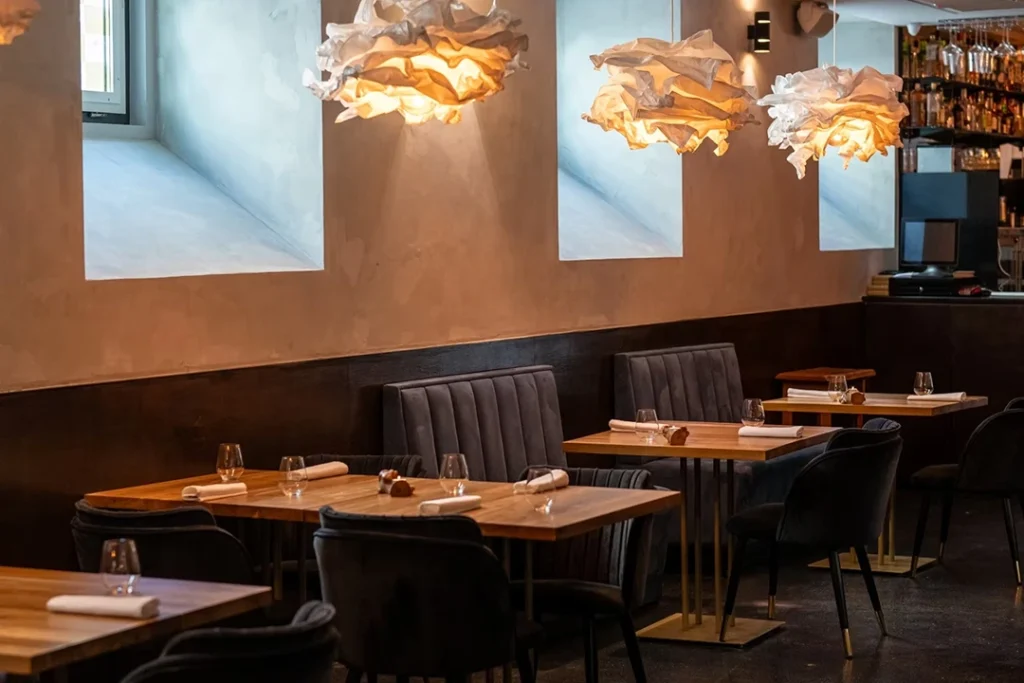
Terroir is the city’s rising star, recently added to the Michelin Guide for its elegant but unpretentious tasting menus. Offered in five or eight courses, each sequence explores contrasts between land and sea, tradition and surprise. The team’s enthusiasm and warmth create a dining room that feels both refined and approachable. Local wines and smart pairings complete the experience, making Terroir a name to remember in Lisbon’s evolving scene.
Patterns That Define the Movement
Across the city’s dining rooms, from intimate bistros to Michelin starred temples, a quiet evolution has taken place. Lisbon’s chefs are no longer chasing trends or external validation. Instead, they are expressing something deeply Portuguese, a sensibility that values honesty over ostentation and soul over spectacle.
Three themes unite this new movement. The first is a devotion to origin. Every chef on this list builds from the same foundation: the land, the ocean, and the producers who sustain them. Ingredients are treated as narratives, not commodities. Olive oil from Alentejo, sea salt from the Algarve, fish caught off Setúbal, each tells a story of place and season.
The second is creative confidence. Lisbon’s new generation of chefs draws inspiration from around the world but never loses its sense of identity. Japanese precision, Nordic minimalism, and French technique appear as accents, never disguises. The result is cuisine that feels both international and unmistakably local.
Finally, there is an emotional undercurrent to it all. The New Lisbon approach is as much about connection as it is about craft. Dining is no longer a performance for critics but a dialogue between chef and guest. Whether in the warmth of a neighborhood space like SEM or the elegance of Belcanto, every experience carries a sense of authenticity and care. This balance of innovation and intimacy defines Lisbon’s rise as Europe’s most human fine dining city.
Practical Guide for the Curious Diner
Exploring Lisbon’s fine dining scene requires both curiosity and planning. Many of the city’s top restaurants operate on reservation only systems, often booking weeks in advance. Alma, Belcanto, and Encanto are best reserved well ahead of time, while newer names like Terroir or SEM can sometimes be secured with shorter notice.
The best months to experience Lisbon’s culinary rhythm are spring and autumn, when seasonal produce peaks and the city feels its most balanced. These are the times when chefs are at their most creative and local markets overflow with inspiration.
For travelers, pairing a meal with exploration enhances the experience. A late lunch at Prado can lead naturally into an afternoon walk through Baixa’s galleries, while dinner at Plano invites a slow evening on the city’s quieter outskirts. The neighborhoods themselves often become part of the story.
Wine lovers should take advantage of Portugal’s deep cellar culture. Most fine dining restaurants now offer thoughtful pairings that spotlight Portuguese vineyards, from Douro reds to Atlantic whites and even non alcoholic fermentations designed to match each dish’s tone.
To dine in Lisbon today is to join a conversation about where Portuguese cuisine has been and where it is going next. Each restaurant tells its own version of that story, but together they form a single invitation to taste a city that is evolving before your eyes.
What makes Lisbon’s evolution so remarkable?
Lisbon’s culinary landscape has entered a golden age, one that is defined by emotion, precision, and an unshakable sense of place. The chefs leading this transformation are not just cooking for accolades. They are crafting a new cultural identity for their city. Each restaurant in this collection carries a story that extends beyond its kitchen. Together they form a collective voice that speaks of Portugal’s past and its confident, creative future.
What makes Lisbon’s evolution so remarkable is its authenticity. The city’s best chefs are not chasing global trends. They are rediscovering the power of simplicity, the beauty of restraint, and the emotion of memory. The New Lisbon celebrates craftsmanship without arrogance, innovation without distance, and hospitality without formality.
This new chapter in Lisbon’s gastronomy is not just a moment. It is a movement, shaped by a generation that believes food can reflect culture, connection, and character. To dine in these ten restaurants is to experience Lisbon itself, a city in conversation with its roots and reaching for something extraordinary.
More from the Magazine
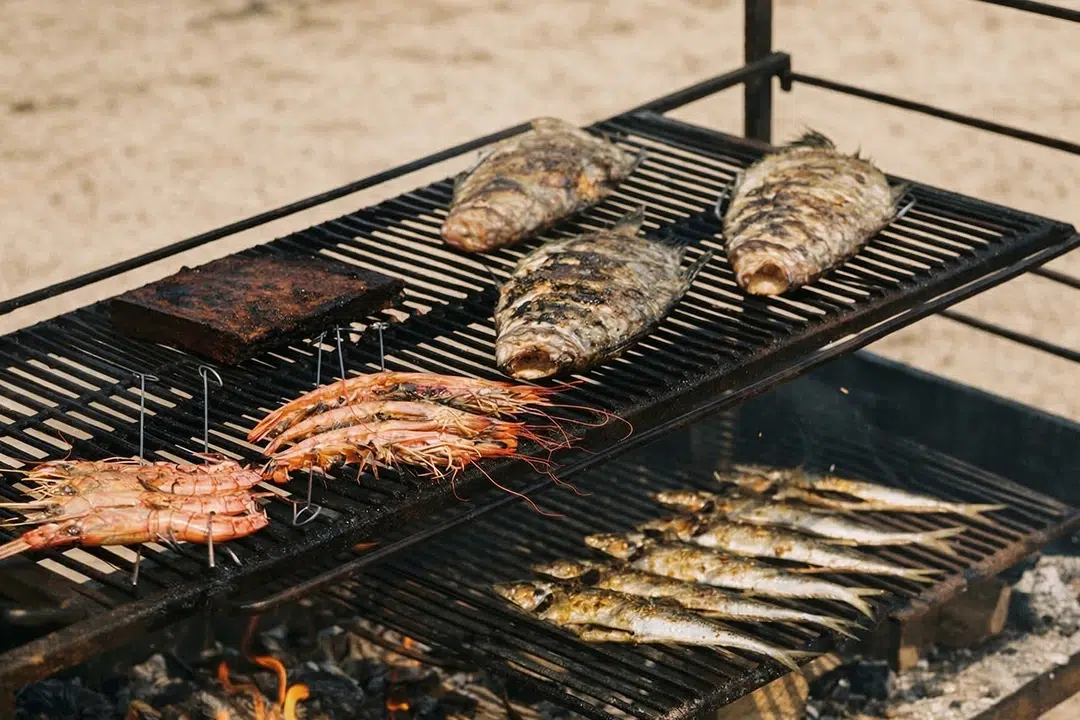
Fire, Sea and Salt: The Essence of Basque Country Cuisine
The Basque Country is a region where fine dining begins with three elemental forces: fire, sea and salt. Together, they form the foundation of a cuisi…
Inside BOK: Light, Floral Menus and a Thoughtful Dry January Experience in Münster
January is a moment of recalibration. The pace slows, attention sharpens, and dining becomes less about indulgence and more about intention. It was pr…
Restaurant ZOE in Bern: Winter Flavours and a New Chapter in Vegetarian Fine Dining
In the heart of Bern, winter has a particular way of sharpening the senses. Days grow shorter, flavours deepen, and meals become moments of warmth and…