Food Notes13 March 20265 min read
Fire, Sea and Salt: The Essence of Basque Country Cuisine
The Basque Country is a region where fine dining begins with three elemental forces: fire, sea and salt. Together, they form the foundation of a cuisine shaped by geography, labor and centuries of culinary refinement.
Fire defines the region’s grill culture and its celebrated asadores. The sea brings the Bay of Biscay directly onto the plate through hake, cod, tuna, anchovies and shellfish. Salt, long essential for preservation and seasoning, connects Basque cooking to one of Europe’s oldest salt producing landscapes in Añana.
What makes Basque gastronomy so compelling is the way these elements are handled. The cuisine does not rely on excess. It relies on precision. A whole fish over embers, a thick cut of txuleta, a final touch of flor de sal. In the Basque Country, a few ingredients and techniques, mastered over generations, create extraordinary depth.
Fire: The Asador Soul
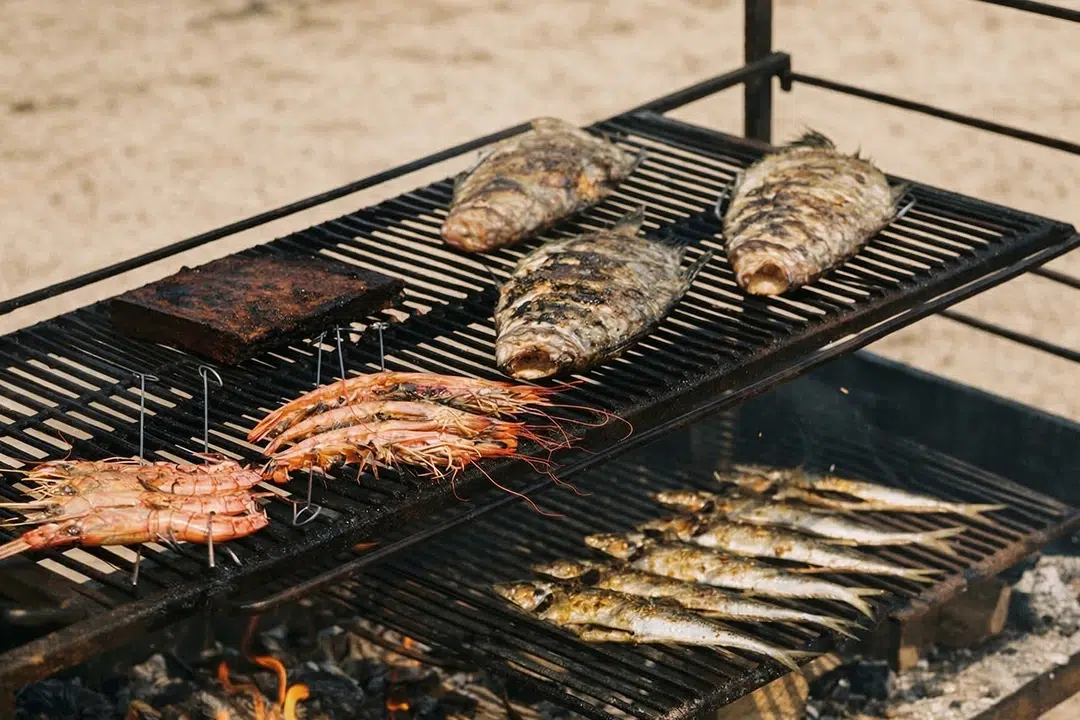
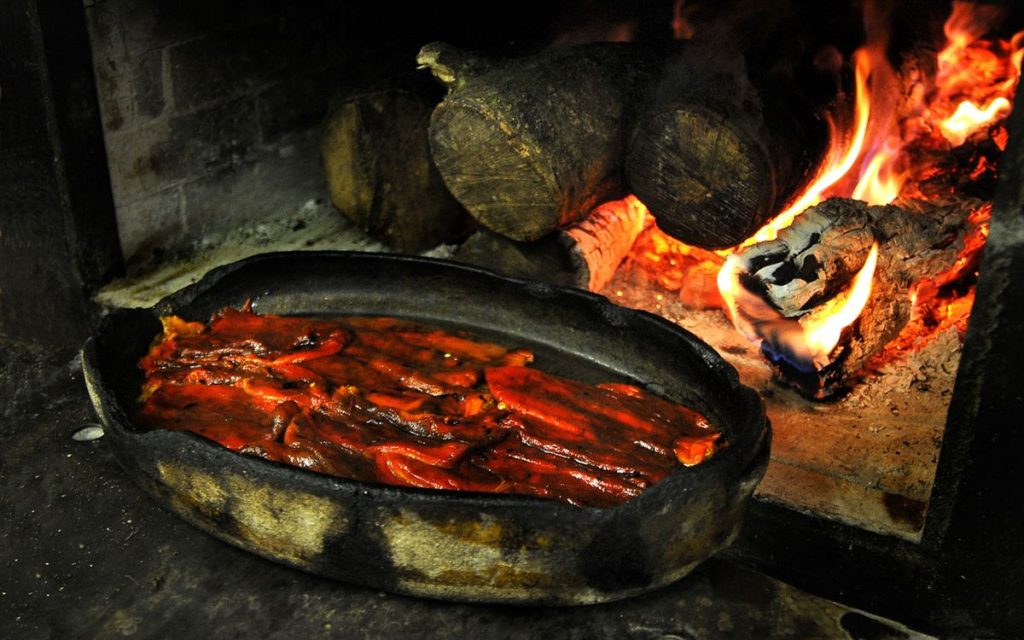
Fire is at the heart of Basque cooking. Across the region, grilling is not simply a method but a defining culinary language, rooted in tradition and elevated through precision.
Its origins are closely tied to the Basque seafaring world. Sailors in the 15th and 16th centuries grilled fish over wood fires at sea, a practice that later shaped the asador culture on land. Over time, coastal towns such as Getaria, Orio and Bermeo became known for charcoal grilled fish, while inland Tolosa built its reputation around txuleta cooked over intense heat.
In Tolosa, legendary grill houses like Casa Julián and Casa Nicolás helped define the art of beef grilling, using high quality vegetal charcoal to achieve a dark crust and a rare interior. On the coast, Pedro Arregui at Elkano became known for grilling whole turbot and hake collars over coals, allowing the fish to baste in its own juices while the skin turns beautifully blistered.
This tradition continues in contemporary Basque fine dining. At Asador Etxebarri, fire is used with extraordinary control across the entire menu, from seafood to vegetables. That is what sets Basque grill culture apart. Fire is not used for spectacle. It is used to reveal texture, depth and purity with remarkable restraint.
Sea: Bay of Biscay on the Plate
If fire gives Basque cuisine its intensity, the sea gives it its soul. The Bay of Biscay has long supplied the region with an extraordinary range of fish and shellfish that shape both home cooking and fine dining.
Hake, cod, bonito, sea bream, anchovies and baby squid appear again and again across Basque gastronomy. Some of the region’s most iconic dishes are built around them, from bacalao a la bizkaina with its rich pepper based sauce to merluza en salsa verde, where hake is paired with garlic, herbs and its own natural gelatin.
Cod in particular shows how deeply preservation and technique are woven into Basque cooking. Once valued as a practical staple for long voyages, it evolved into one of the region’s most emblematic ingredients. In bacalao al pil pil, gentle heat and movement turn olive oil, garlic and fish collagen into a silky emulsion that feels both simple and highly refined.
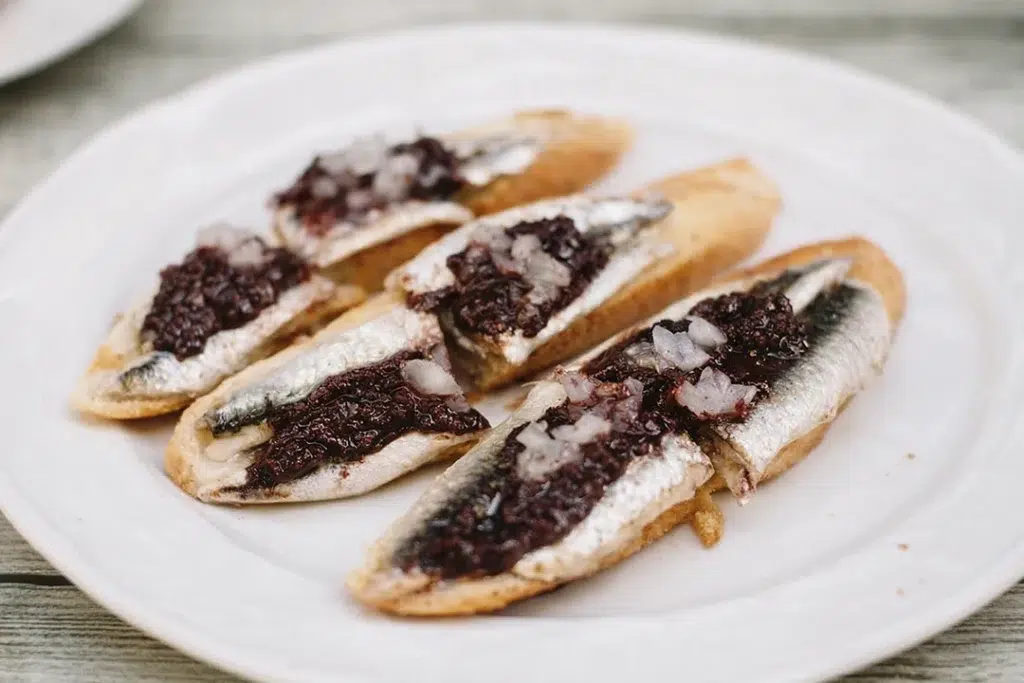
The same logic runs through other staples of the Basque table. Marmitako, the traditional tuna stew of fishermen, transforms a working dish into something deeply expressive of place. Anchovies, whether fresh or cured, are treated with equal seriousness and often appear in pintxos, where Basque chefs condense the region’s seafood culture into small but highly detailed bites.
Salt: Valle Salado and Preservation
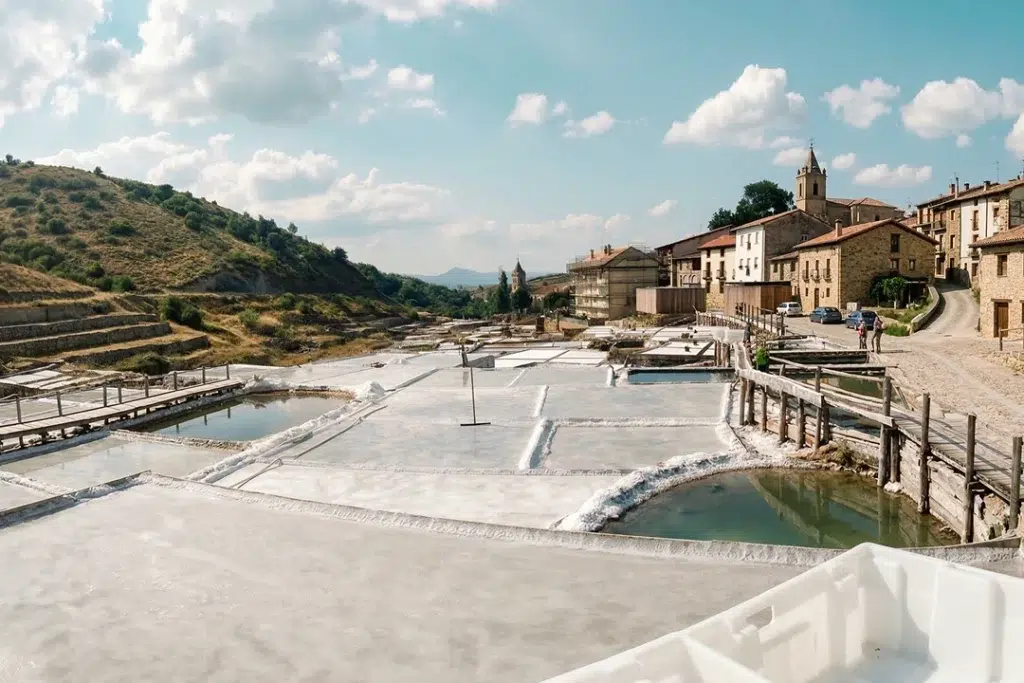
Salt gives Basque cuisine its structure. It preserves, seasons and sharpens flavor, but it also carries centuries of history. Nowhere is that more visible than in the Añana Valley in Álava, home to one of the oldest natural salt production sites in the world.
Here, underground salt deposits rise through natural springs, and over centuries local communities built a remarkable system of wooden and stone terraces to guide the brine into shallow pans. Sun and wind then slowly evaporate the water, leaving behind mineral rich salt that has become one of the region’s defining products.
Salt in Añana is not just a local ingredient. It is part of a cultural landscape shaped by labor, trade and ingenuity. Archaeological evidence shows that production dates back to Roman times, while medieval records reflect how valuable salt once was across the region.
After a period of decline, the valley has seen a major revival through the restoration of traditional methods and the protection of its historic site. Today, Añana produces several prized salts, including delicate flor de sal, coarse sal de mota and darker sal morena, all used by leading chefs to finish grilled meat and fish with precision.
In Basque fine dining, salt is never just an afterthought. It is the final element that brings the region’s cooking into focus.
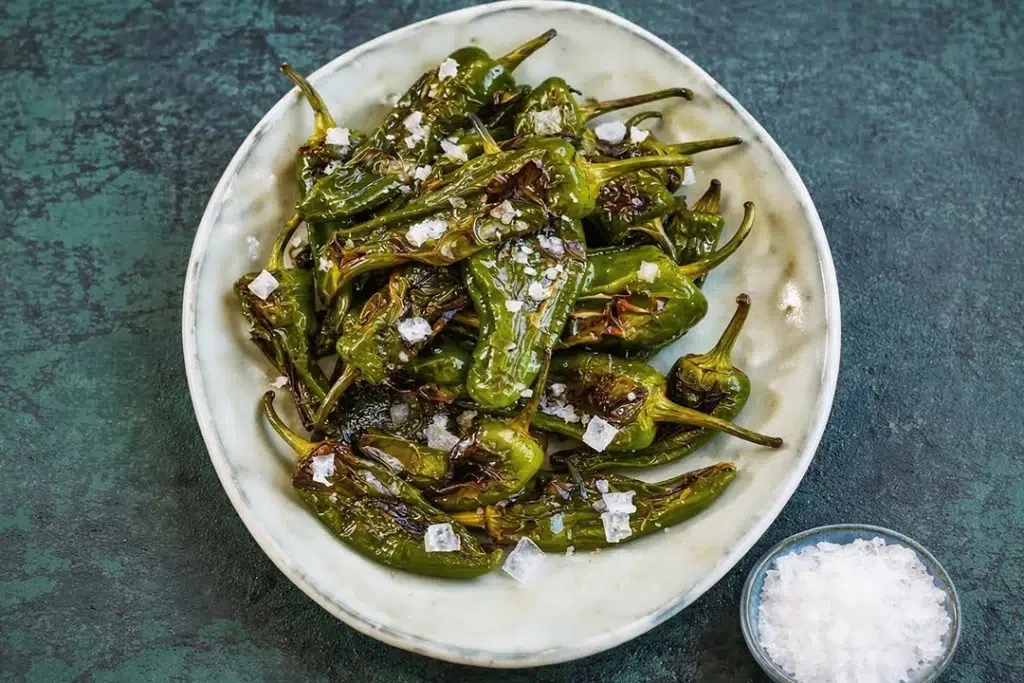
Where Fire, Sea and Salt Converge
The real power of Basque cuisine lies in the way these three elements come together on the plate. Fire brings depth and texture. The sea provides clarity and freshness. Salt sharpens and completes. What emerges is a style of cooking that feels direct, confident and remarkably precise.
This is especially clear in the region’s top asadores. A meal might begin with anchovies or baby squid, move into a whole turbot grilled over coals, finished simply with olive oil and flor de sal, and end with a thick txuleta carved at the table. The ingredients are often few, but the effect is layered and deeply expressive.
The same elemental logic runs through urban restaurants and pintxo bars in San Sebastián and Bilbao. Traditional fishermen’s dishes, cod preparations and grilled seafood are often reworked into smaller, more refined formats, yet the core language remains unchanged. Atlantic fish, controlled flame and assertive seasoning still define the experience.
That is what makes Basque fine dining so distinctive. It does not depend on complexity for its own sake. Its strength lies in knowing exactly how far to take each element and when to stop.
Our final thoughts
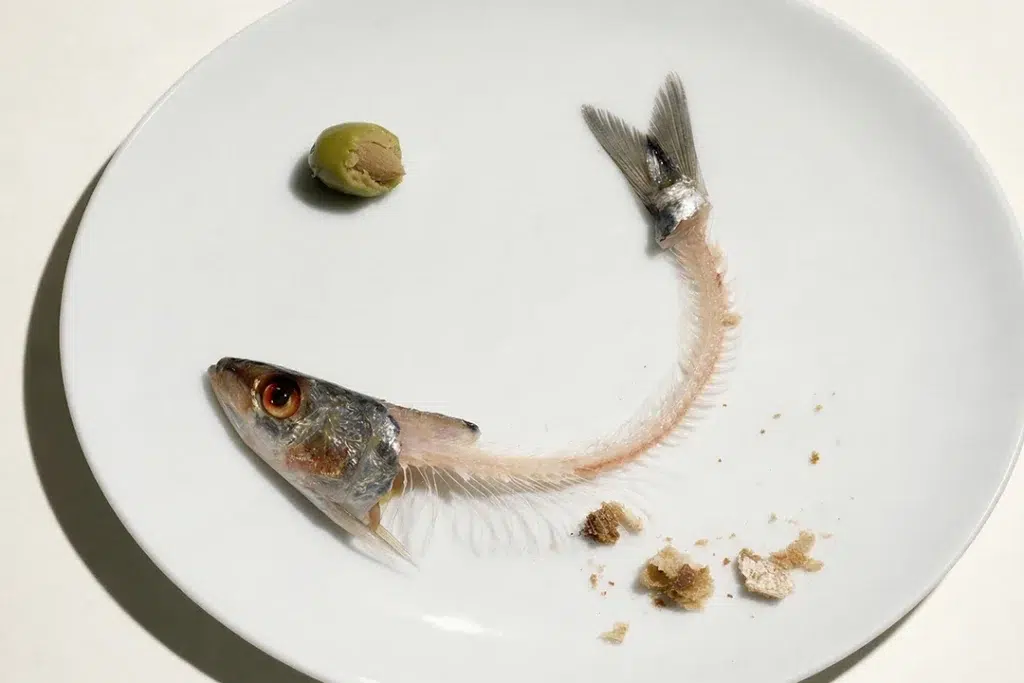
Basque Country’s cuisine is defined by more than technical excellence. It is defined by a deep relationship between landscape, tradition and taste. Fire, sea and salt are not simply recurring motifs, but the enduring foundations of a culinary culture shaped over centuries.
From charcoal grilled fish on the coast to txuleta in inland grill houses and the mineral rich salts of Añana, each element tells part of the region’s story. Together, they create a cuisine that feels both elemental and refined.
That balance is what gives Basque fine dining its lasting force. It is a cuisine built not on excess, but on mastery: of heat, of product and of restraint.
More from the Magazine
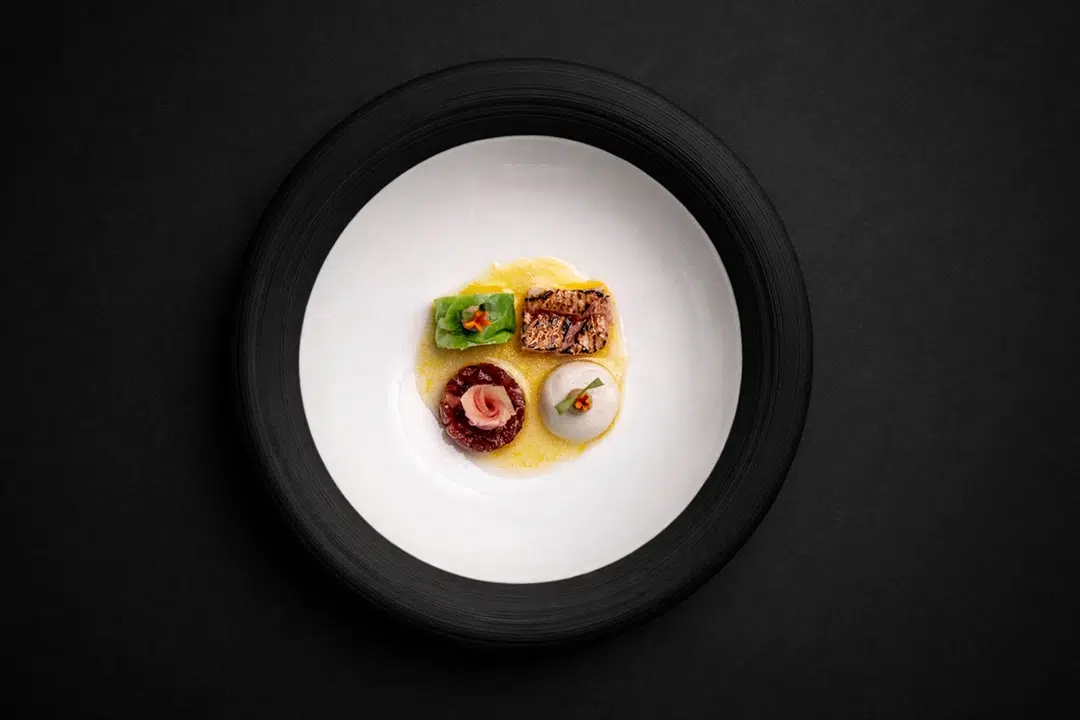
Inside BOK: Light, Floral Menus and a Thoughtful Dry January Experience in Münster
January is a moment of recalibration. The pace slows, attention sharpens, and dining becomes less about indulgence and more about intention. It was pr…
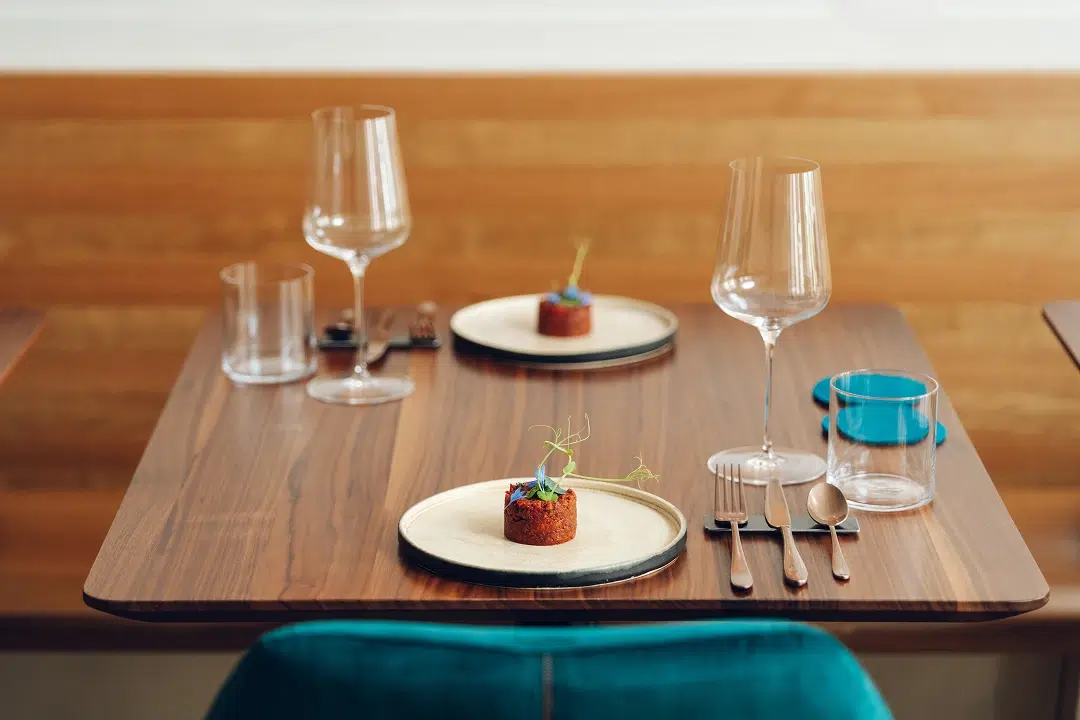
Restaurant ZOE in Bern: Winter Flavours and a New Chapter in Vegetarian Fine Dining
In the heart of Bern, winter has a particular way of sharpening the senses. Days grow shorter, flavours deepen, and meals become moments of warmth and…
Restaurant Heimatjuwel in Hamburg: Vegetable-Driven Fine Dining with Regional Focus
Tucked away in Hamburg’s Eimsbüttel district, Restaurant Heimatjuwel is one of those places that quietly reshapes expectations without ever feeling th…