
Food Notes7 February 202519 min read
Fine Dining Trends in 2025: Personalization, Innovation & Sustainability
Fine dining is no longer just about white tablecloths, towering wine lists, and multi-course extravagance. It is a constantly evolving art form, shaped by technology, sustainability, and changing consumer expectations. As 2025 started, there are some fine dining trends and strategies how restaurants are redefining luxury—not just through premium ingredients and culinary mastery, but through personalization, sustainability, and innovation.
Diners today crave more than just exceptional food—they seek meaningful, immersive experiences that align with their values. Whether it’s hyper-personalized tasting menus, AI-driven wine pairings, or ethically sourced ingredients, the modern fine dining scene is transforming rapidly to cater to discerning, experience-driven guests.
For fine dining establishments, staying ahead of these fine dining trends is no longer optional—it’s a necessity. The industry is becoming more competitive and dynamic, with top restaurants pushing boundaries to craft unique experiences that keep diners coming back. Those that embrace these fine dining trends will shape the future of fine dining, setting new standards for luxury and exclusivity.
Hyper-Personalized Dining Experiences
The days of one-size-fits-all menus are fading. In 2025, hyper-personalization is at the forefront of fine dining, as chefs and restaurateurs use data-driven insights to create tailor-made culinary experiences for their guests.
Use of Data-Driven Insights to Tailor Menus
Top-tier restaurants are leveraging customer data—from past orders to dietary preferences—to craft bespoke menus for their guests. This allows chefs to create personalized dishes based on individual tastes, dietary restrictions, and even mood preferences.
For instance, guests who have dined at an establishment multiple times might receive a unique dish based on their previous favorites. Restaurants are also incorporating guest profiling systems, where allergies, preferences, and past dining experiences are stored to enhance future visits.
How AI and Machine Learning Are Helping Chefs Create Customized Dining Experiences
Artificial Intelligence (AI) is playing a huge role in the evolution of fine dining personalization. Machine learning algorithms analyze flavor profiles, ingredient pairings, and customer preferences to help chefs design dishes tailored to each individual guest.
AI-driven wine pairing tools are also making waves, suggesting the perfect bottle based on a guest’s unique palate and dish selection. Some fine dining establishments are even integrating predictive AI, which anticipates what a guest might enjoy based on previous orders, global fine dining trends, and seasonal availability.
The Rise of Bespoke Tasting Menus Designed for Each Guest
Tasting menus have always been a hallmark of fine dining, but now, they are becoming highly individualized. Instead of a standardized menu, guests can now experience curated, one-of-a-kind tasting journeys that cater to their preferences and dietary needs.
Luxury restaurants are offering:
- Dynamically evolving menus that change course-by-course based on real-time guest feedback.
- Personalized chef’s table experiences, where dishes are crafted on the spot based on guest interactions.
- DNA-based or microbiome-inspired menus, where chefs create meals designed for optimal health and nutrition based on scientific data.
Hyper-personalization is revolutionizing the way fine dining is experienced—moving beyond set menus to a world where every meal is a bespoke masterpiece.
Technology-Enhanced Dining
Fine dining has always been about crafting memorable experiences, and in 2025, technology is playing a key role in elevating those experiences. From interactive digital menus to AI-driven food pairings, technology is seamlessly blending with gastronomy to create an engaging, immersive, and highly curated dining journey.
Interactive Digital Menus and How They Improve Customer Engagement
Paper menus are becoming a relic of the past as fine dining establishments embrace interactive digital menus. These touchscreen or app-based menus allow guests to:
- View high-resolution images and videos of dishes before ordering.
- Explore detailed ingredient sourcing information, highlighting sustainability efforts.
- Customize their selections based on dietary preferences and allergies in real time.
Some restaurants are even integrating AI-powered suggestions that recommend dishes based on a guest’s past orders, wine choices, or even the time of year. This interactive experience makes dining more engaging, giving guests greater control over their meal while still enjoying the expertise of the chef.
AI-Driven Wine Pairings and Automated Food Recommendations
Pairing the right wine with a dish is an art form, and AI is helping perfect the science behind it. Advanced algorithms analyze flavor profiles, acidity levels, and guest preferences to recommend the ideal wine for each dish.
How AI-driven wine pairing works:
- AI tools process millions of food and wine pairing data points to create ideal matches.
- Personalized recommendations are generated based on a diner’s previous selections and taste preferences.
- Some restaurants are using automated sommelier chatbots that interact with guests in real time to suggest wines based on their chosen meal.
Beyond wine, AI is also optimizing food pairings by recommending complementary dishes, suggesting alternative ingredients, and even predicting new flavor trends based on guest feedback.
Augmented Reality (AR) Dining Experiences Blending Food with Immersive Entertainment
Fine dining is embracing Augmented Reality (AR) to create multi-sensory experiences that go beyond just taste. High-end restaurants are using AR projections, interactive table displays, and immersive storytelling elements to engage diners on a whole new level.
Some AR dining experiences include:
- Projected animations on plates, where dishes "come to life" with visuals that tell the story behind the food.
- Virtual reality-enhanced courses, where guests wear headsets to experience the origins of ingredients through stunning visuals.
- Tabletop AR storytelling, where interactive screens present chef narratives, sourcing journeys, and cultural inspirations behind each dish.
By integrating technology into the dining experience, fine dining is becoming more than just a meal—it’s a performance, a narrative, and an unforgettable journey for the senses.

Sustainability and Hyperlocal Sourcing - More Than a Fine Dining Trend
With climate concerns and ethical food production at the forefront of consumer consciousness, fine dining restaurants are leading the way in sustainability and hyperlocal sourcing. In 2025, the industry is making significant strides to reduce its carbon footprint, support local producers, and champion regenerative agriculture.
The Push for Hyperlocal Sourcing and Direct Partnerships with Local Farmers
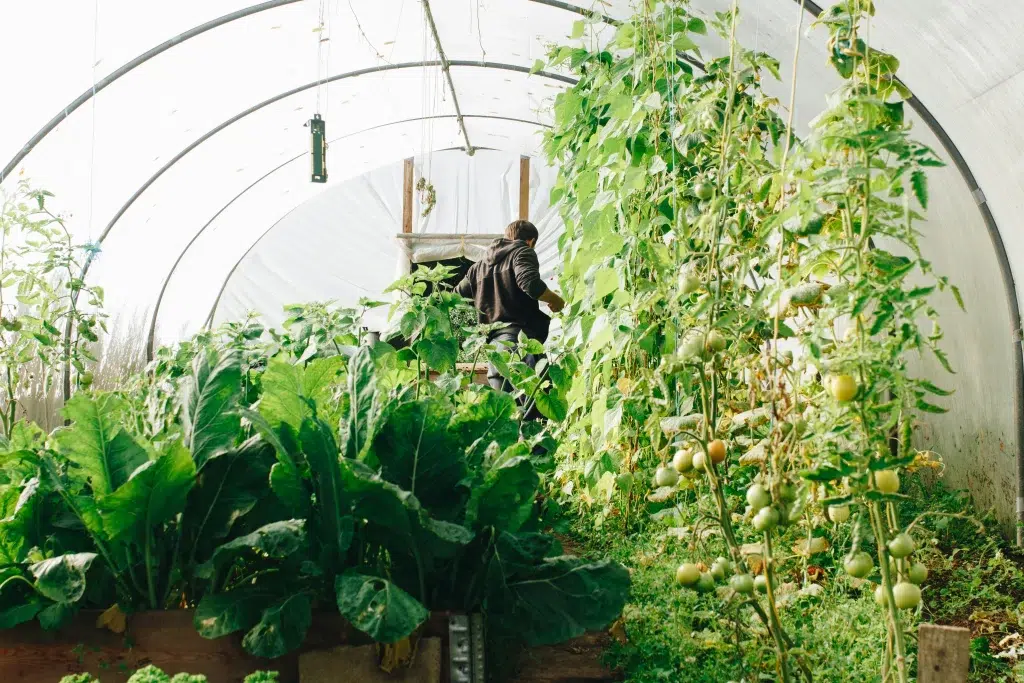
Sourcing ingredients locally and seasonally is no longer just one of the fine dining trends—it’s a fundamental shift in how fine dining operates. Restaurants are moving away from global supply chains and instead, forming direct partnerships with nearby farms, fisheries, and artisanal producers.
Benefits of hyperlocal sourcing in fine dining:
- Fresher, higher-quality ingredients with reduced transportation emissions.
- Stronger relationships with local farmers, foragers, and ethical suppliers.
- The ability to create seasonally driven menus that highlight regional flavors.
Many fine dining chefs are now visiting farms, vineyards, and fisheries themselves, ensuring that their ingredients are ethically sourced and of the highest quality. Some restaurants even have on-site gardens or urban farms, growing their own produce to enhance freshness and sustainability.
The Impact of Regenerative Agriculture on the Fine Dining Industry
Regenerative agriculture is reshaping the way ingredients are grown and sourced. Unlike traditional farming, which can deplete soil health, regenerative farming focuses on:
- Restoring soil biodiversity, leading to nutrient-dense ingredients.
- Using cover crops, composting, and no-till farming to reduce environmental impact.
- Increasing carbon sequestration, which helps combat climate change.
Fine dining restaurants are increasingly prioritizing suppliers who practice regenerative agriculture, ensuring that their menus not only taste good but also contribute to healing the planet.
How Restaurants Are Reducing Their Carbon Footprint Through Ethical Sourcing
Sustainability is no longer a buzzword in fine dining—it’s a core principle. Restaurants are making major efforts to minimize waste, cut emissions, and adopt responsible sourcing practices.
Key initiatives include:
- Zero-waste cooking, where chefs repurpose scraps into stocks, sauces, and creative dishes.
- Sustainable seafood choices, opting for line-caught, responsibly farmed, or underutilized species to prevent overfishing.
- Plastic-free kitchens, eliminating single-use plastics in favor of compostable or reusable alternatives.
- Energy-efficient cooking techniques, such as using induction stoves and reducing food miles.
By embracing sustainability and ethical sourcing, fine dining restaurants are proving that luxury and responsibility can go hand in hand—offering guilt-free indulgence while protecting the planet for future generations.
Plant-Based and Alternative Proteins
Sustainability and ethical food consumption are no longer niche concerns—they are at the core of modern fine dining. As diners become more eco-conscious, restaurants are embracing plant-based and lab-grown proteins to redefine luxury cuisine without sacrificing taste or experience.
The Growing Acceptance of Lab-Grown Meats and Plant-Based Proteins
What was once a futuristic concept is now becoming a reality in high-end kitchens. Lab-grown meats—also known as cultivated meats—are gaining traction, offering the taste and texture of traditional meats without the environmental cost. Meanwhile, plant-based proteins have evolved far beyond simple tofu or tempeh, with brands and chefs innovating on a level that makes these alternatives truly gourmet.
Why fine dining is embracing alternative proteins:
- Lower environmental impact: Lab-grown meats and plant-based proteins significantly reduce carbon emissions, land use, and water consumption compared to traditional meat production.
- No compromise on quality: Modern fermentation and molecular gastronomy techniques allow chefs to replicate the mouthfeel, umami depth, and richness of meat-based dishes.
- Appealing to a broader audience: With increasing numbers of vegetarians, vegans, and flexitarians, fine dining restaurants are expanding their plant-based options without alienating traditional diners.
Innovations in Texture and Flavor Making Plant-Based Dishes More Appealing
One of the biggest challenges with plant-based alternatives has been replicating the sensory experience of traditional proteins. However, chefs are now leveraging cutting-edge food science to create plant-based dishes that are just as satisfying as their meat-based counterparts.
Examples of innovation in plant-based fine dining:
- Fermentation-driven umami boosters: Miso, koji, and aged plant-based cheeses add depth and complexity to dishes.
- Microbial proteins & fungi-based meats: Ingredients like mycoprotein (Quorn) and lion’s mane mushrooms mimic the texture of seafood and poultry.
- Fine-dining plant butchery: Some restaurants now offer “steaks” crafted from seitan, jackfruit, or 3D-printed plant-based proteins, providing the structure and juiciness of real meat.
How Fine Dining is Leading the Sustainable Protein Revolution
While plant-based proteins started in casual fine dining, fine dining has elevated them into the realm of high gastronomy. Michelin-starred chefs are experimenting with intricate plant-based tasting menus, using alternative proteins to craft artful, innovative dishes that rival traditional meat dishes.
Examples of fine dining’s sustainable protein movement:
- Eleven Madison Park (NYC): Transitioned to an entirely plant-based menu, proving that vegan fine dining can be luxurious and groundbreaking.
- Geranium (Copenhagen): Removed meat entirely, focusing on vegetables, seafood, and sustainable proteins.
- Atelier Crenn (San Francisco): Stopped serving land-based meats, replacing them with hyper-local plant and seafood options.
Fine dining is not just following the plant-based trend—it’s setting the gold standard for sustainable, flavor-driven cuisine that respects the planet while pushing culinary boundaries.
Focused Menus and Fresh Ingredients
The fine dining industry is moving away from excessively long, complex menus in favor of smaller, highly curated selections that emphasize fresh, seasonal ingredients. This shift allows chefs to create more intentional, high-quality dishes while enhancing the overall dining experience.
The Trend of Smaller, Curated Menus That Highlight Seasonal Produce
Gone are the days when fine dining restaurants needed pages upon pages of menu options to impress guests. Instead, today’s top chefs are refining their offerings, opting for tasting menus or streamlined à la carte selections that allow them to focus on the best seasonal ingredients.
Why this shift is happening:
- Seasonal ingredients = superior flavor – Produce at its peak requires less manipulation, allowing natural flavors to shine.
- More creative freedom – Chefs can focus on experimenting with select ingredients rather than juggling a vast menu.
- Reduced food waste – Smaller menus mean better inventory control, ensuring that every ingredient is used to its fullest potential.
Why Chefs Are Shifting Towards Ingredient-Driven Cooking
Instead of relying on complicated techniques or excessive plating theatrics, chefs are placing the spotlight on ingredient quality. This means:
- Sourcing from trusted local farmers to ensure peak freshness and sustainability.
- Highlighting simple yet bold flavors, using just a few elements to create memorable dishes.
- Letting ingredients dictate the menu, rather than forcing dishes to fit a pre-designed concept.
Ingredient-driven cooking is about elevating simplicity—allowing diners to taste the purity of every element on the plate.
The Benefits of Streamlined, High-Quality Menus in Fine Dining
This movement towards focused, high-quality menus benefits both restaurants and diners:
For restaurants:
- Higher consistency – With fewer dishes to perfect, every plate meets the highest standard.
- Easier staff training – A refined menu ensures that chefs and waitstaff master every detail.
- Stronger brand identity – Signature dishes become defining elements of the restaurant’s reputation.
For diners:
- A more immersive experience – Guests can focus on fewer but more exciting options, rather than feeling overwhelmed.
- Better food quality – Every dish is a showcase of the chef’s expertise, rather than just another menu item.
- Greater appreciation for seasonal ingredients – Menus that shift with the seasons allow guests to enjoy unique flavors at their peak.
This streamlined approach to fine dining embraces quality over quantity, ensuring that every dish is intentional, every ingredient has a purpose, and every bite is an experience.
Experiential Dinining
Fine dining in 2025 is no longer just about eating—it’s about experiencing. More than ever, chefs are crafting immersive, multi-sensory dining experiences that go beyond the plate, using storytelling, performance, and personalization to transform meals into unforgettable journeys.
The Rise of Tasting Menus and Omakase-Style Dining
Tasting menus have become the gold standard in fine dining, allowing chefs to curate progressive, multi-course experiences that take guests on a culinary adventure. Omakase-style dining, traditionally associated with Japanese cuisine, is expanding beyond sushi bars—chefs across different cuisines are now offering trust-based dining experiences where guests surrender control and let the kitchen surprise them with a series of innovative dishes.
Why tasting menus and Omakase are thriving:
- Guests crave curated experiences where every bite is intentional.
- Chefs can showcase their best work without being constrained by à la carte limitations.
- Menus evolve frequently, keeping the experience fresh and exclusive.
How Chefs Are Creating Intimate, Storytelling-Driven Dining Experiences
Dining has always had a narrative element, but now, chefs are weaving deeper storytelling into their menus, connecting food with culture, history, and personal inspiration.
- Some restaurants design menus around a singular theme or journey, such as a meal inspired by a chef’s childhood or a regional exploration of flavors.
- Courses unfold like chapters in a book, each dish contributing to the larger experience.
- Personal interactions with chefs—whether through tableside preparation, narrated courses, or direct guest engagement—heighten the sense of connection and exclusivity.
At top-tier restaurants, every dish has a backstory, and guests aren’t just eating—they’re becoming part of the story.

Unique Formats Like Chef’s Table Events and Immersive Pop-Ups
Fine dining is embracing more interactive and intimate formats, such as:
- Chef’s table experiences – Small groups of diners get front-row seats to a chef’s creative process, engaging with the team while watching their meal unfold.
- Immersive pop-ups – Temporary, thematic dining events that might take place in unexpected locations (art galleries, rooftop gardens, or even underground speakeasies).
- Multi-sensory dining – Some restaurants integrate lighting, music, and scent pairings to enhance the way diners experience flavors.
Experiential dining is redefining luxury—it’s no longer just about the food, but the memories created around it.
Comfort and Nostalgia in Fine Dining
While innovation continues to push boundaries, fine dining is also looking back, reintroducing nostalgia and comfort food in an elevated way. As diners seek familiarity in uncertain times, chefs are embracing gourmet reinterpretations of classic dishes, proving that comfort and luxury can coexist.
The Resurgence of Traditional and Nostalgic Dishes with a Gourmet Twist
High-end restaurants are reinventing classic, homey dishes with refined techniques and premium ingredients. Instead of chasing avant-garde fine dining trends, chefs are embracing simplicity, warmth, and sentimental flavors—but with a modern, elevated execution.
For example:
- Handmade pasta dishes inspired by rustic Italian kitchens but finished with luxury ingredients like truffle, uni, or aged balsamic.
- Decadent takes on childhood favorites, such as a wagyu beef "burger" with foie gras and caviar, or elevated mac and cheese made with aged gruyère and black truffle.
- Refined versions of global comfort foods, like Japanese-style katsu reimagined with Iberico pork, or a French onion soup dumpling bursting with slow-braised flavor.
How Chefs Are Balancing Innovation with Familiar Flavors
The challenge with reinventing nostalgic dishes is finding the balance between memory and reinvention. The best versions preserve the soul of the dish while introducing new elements that elevate and surprise.
Some strategies chefs use:
- Playing with textures – Taking a traditionally soft dish (like mashed potatoes) and presenting it as a crispy croquette with a molten center.
- Unexpected ingredient swaps – Turning a familiar dish vegan or gluten-free without compromising flavor, using techniques like fermentation, smoke infusion, or alternative flours.
- Fusion nostalgia – Combining two beloved comfort foods (e.g., a bao bun burger or a lobster bisque ramen).
Examples of Modernized Comfort Foods Making Their Way Into Fine Dining
The fine dining world is proving that even the most humble dishes can be transformed into Michelin-worthy experiences.
- Gourmet grilled cheese & soup pairings – Artisanal bread, aged cheese blends, and rich consommés.
- Upscale fried chicken – Buttermilk-brined, tempura-fried, or dusted with gold flakes and served with caviar butter.
- Luxury reimaginings of street food – Think elevated tacos with wagyu and truffle, or a sophisticated take on a Chicago hot dog with house-made sausage and black garlic mustard.
Comfort food may be rooted in nostalgia, but in fine dining, it’s being reinvented with precision, creativity, and indulgence—giving diners the best of both worlds.
Collaborative Chef Concepts
The world of fine dining is becoming more dynamic and community-driven, with chefs breaking traditional boundaries to collaborate in new and exciting ways. In 2025, chef partnerships, pop-up events, and cross-cultural fusions are redefining the way high-end cuisine is experienced.
The Increasing Popularity of Chef Collaborations and Pop-Up Events
Rather than working in isolation, chefs are teaming up for special menus, pop-up events, and limited-time experiences that bring together diverse cooking styles, backgrounds, and creative visions.
Why collaborations are thriving:
- Creates buzz and exclusivity – Limited-time events attract diners eager for unique, one-off experiences.
- Expands culinary perspectives – Chefs learn from each other, blending techniques and traditions in unexpected ways.
- Offers creative freedom – Unlike rigid restaurant menus, collaborations allow chefs to experiment and innovate without constraints.
Examples of collaboration concepts:
- Guest chef residencies – Renowned chefs take over another restaurant’s kitchen for a set period, creating exclusive tasting menus.
- Multi-chef dinners – Each course is crafted by a different chef, offering a diverse yet cohesive dining experience.
- Pop-up events in unexpected locations – Think fine dining in a greenhouse, on a rooftop, or inside an art gallery, pushing the boundaries of traditional restaurant settings.
How These Partnerships Create Unique, Multi-Chef Dining Experiences
These collaborations are not just about food—they create immersive cultural and artistic experiences. By bringing multiple chefs together, each dish tells a story, showcasing global influences, personal narratives, and cutting-edge techniques.
What makes multi-chef dining experiences stand out:
- Contrasting styles – A sushi master working alongside a French pastry chef leads to unexpected, delightful pairings.
- Shared storytelling – Every dish in a collaboration menu connects to a common theme, whether it’s sustainability, nostalgia, or global fusion.
- Elevated exclusivity – Because these events are often one-night-only or invite-only, they offer a level of prestige and excitement that standard fine dining lacks.
The Influence of Cultural Fusion and Cross-Border Culinary Innovation
As chefs travel, collaborate, and exchange ideas, global flavors are seamlessly merging in fine dining. Instead of rigidly defined cuisines, we are seeing a rise in cross-border culinary creativity, where traditional techniques are applied to unexpected ingredients.
Examples of cultural fusion in fine dining:
- Japanese kaiseki meets Nordic minimalism – Delicate seasonal flavors combined with fermented elements and foraged ingredients.
- Latin-Asian fusion – Nikkei cuisine (Japanese-Peruvian) and Chifa (Chinese-Peruvian) continue to expand their presence on fine dining menus.
- French-Indian interpretations – Classic French techniques infused with spices, chutneys, and tandoor-inspired preparations.

With chefs embracing collaborative innovation, fine dining is no longer about strict culinary traditions—it’s about breaking rules, blending influences, and creating entirely new gastronomic experiences.
The fine dining landscape in 2025 is a reflection of evolving consumer expectations—diners no longer seek just a meal; they crave an experience that is personalized, immersive, and socially responsible. The industry is moving towards a model where sustainability, innovation, and deep personalization define the luxury dining experience.
Which Trend s Here To Stay?
Sustainability is no longer optional, as ethical sourcing, plant-based proteins, and hyperlocal ingredients become the foundation of modern fine dining. At the same time, technology is enhancing the dining journey. From AI-driven wine pairings to augmented reality experiences that bring food to life in unexpected ways.
Personalization is also at the forefront, with chefs crafting bespoke menus that cater to individual preferences, dietary needs, and even emotional experiences. As fine dining becomes more experiential, formats like omakase, multi-chef collaborations, and nostalgic gourmet reinventions are reshaping how guests interact with food.
Restaurants that embrace these key fine dining trends—sustainability, personalization, and innovation—will define the future of fine dining. Those that fail to adapt may struggle to stay relevant in an industry that is increasingly driven by conscious consumerism and cutting-edge creativity.
As fine dining continues to evolve, one thing is clear: the most successful restaurants will be those that not only serve exquisite food but also craft unforgettable, story-driven, and sustainable dining experiences.
FAQ: Latest Fine Dining Trends in 2025
What are the biggest fine dining trends in 2025?
The most significant fine dining trends include hyper-personalized dining, technology-enhanced experiences, sustainability-focused menus, plant-based and alternative proteins, and experiential dining formats like chef’s tables and immersive pop-ups. These fine dining trends reflect changing consumer preferences for quality, sustainability, and unique culinary experiences.
How is technology changing the fine dining experience?
Technology is being used to enhance personalization and engagement through AI-driven wine pairings, interactive digital menus, and augmented reality dining experiences. These innovations allow for a more immersive and tailored dining journey, making meals more memorable and interactive.
Why is sustainability becoming a priority in fine dining?
Consumers are increasingly aware of the environmental impact of food production, pushing fine dining restaurants to adopt hyperlocal sourcing, regenerative agriculture, and zero-waste cooking. Sustainable practices help reduce carbon footprints while ensuring ethically sourced, high-quality ingredients.
What role do plant-based and alternative proteins play in fine dining?
Fine dining is embracing lab-grown meats, plant-based proteins, and fungi-based alternatives to create gourmet dishes that are both sustainable and flavorful. Chefs are using advanced techniques to replicate the texture, umami depth, and complexity of traditional meats, making plant-based fine dining more appealing than ever.
How are fine dining restaurants creating more immersive experiences?
Experiential dining is a major trend, with restaurants offering multi-sensory tasting menus, chef collaborations, omakase-style experiences, and nostalgic comfort food with a luxury twist. These approaches focus on storytelling, surprise elements, and emotional connection, turning fine dining into an artistic and interactive experience rather than just a meal.
Experiential diningFine dining trends 2025Luxury dining experiencesPersonalized tasting menusPlant-based fine diningSustainable
More from the Magazine
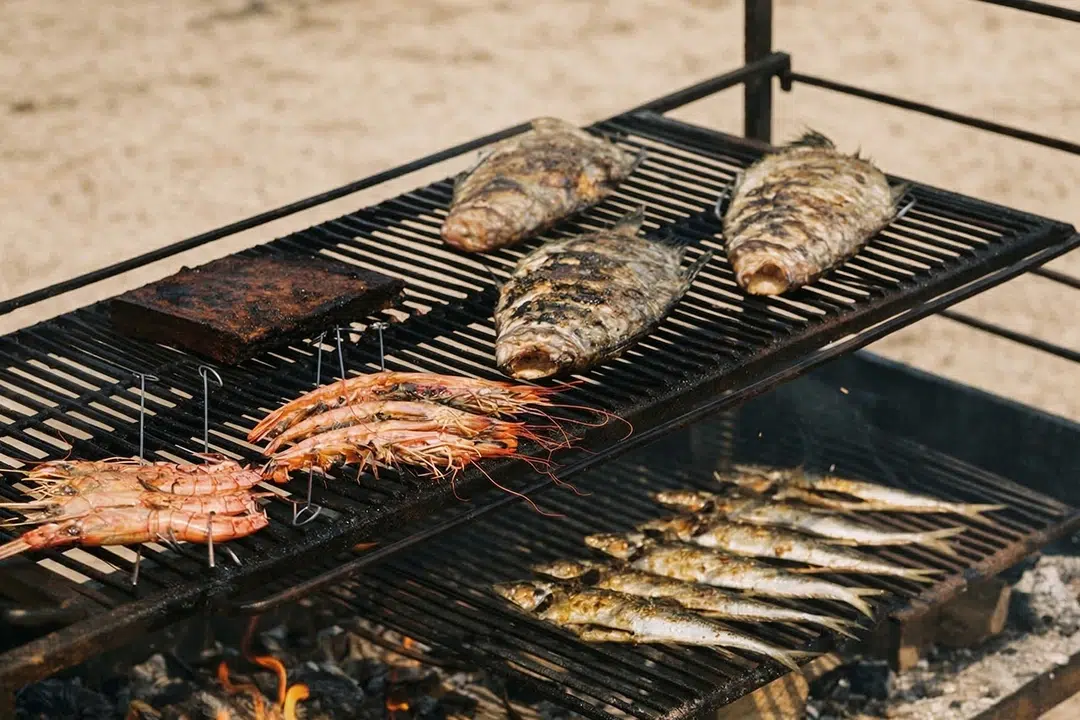
Fire, Sea and Salt: The Essence of Basque Country Cuisine
The Basque Country is a region where fine dining begins with three elemental forces: fire, sea and salt. Together, they form the foundation of a cuisi…
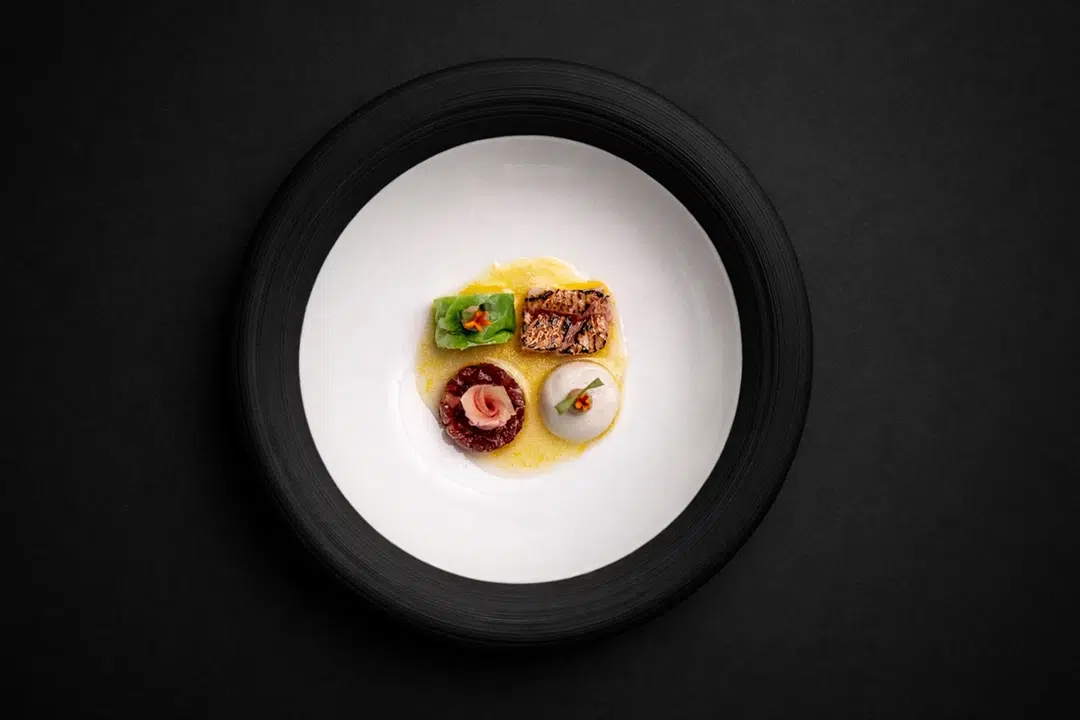
Inside BOK: Light, Floral Menus and a Thoughtful Dry January Experience in Münster
January is a moment of recalibration. The pace slows, attention sharpens, and dining becomes less about indulgence and more about intention. It was pr…
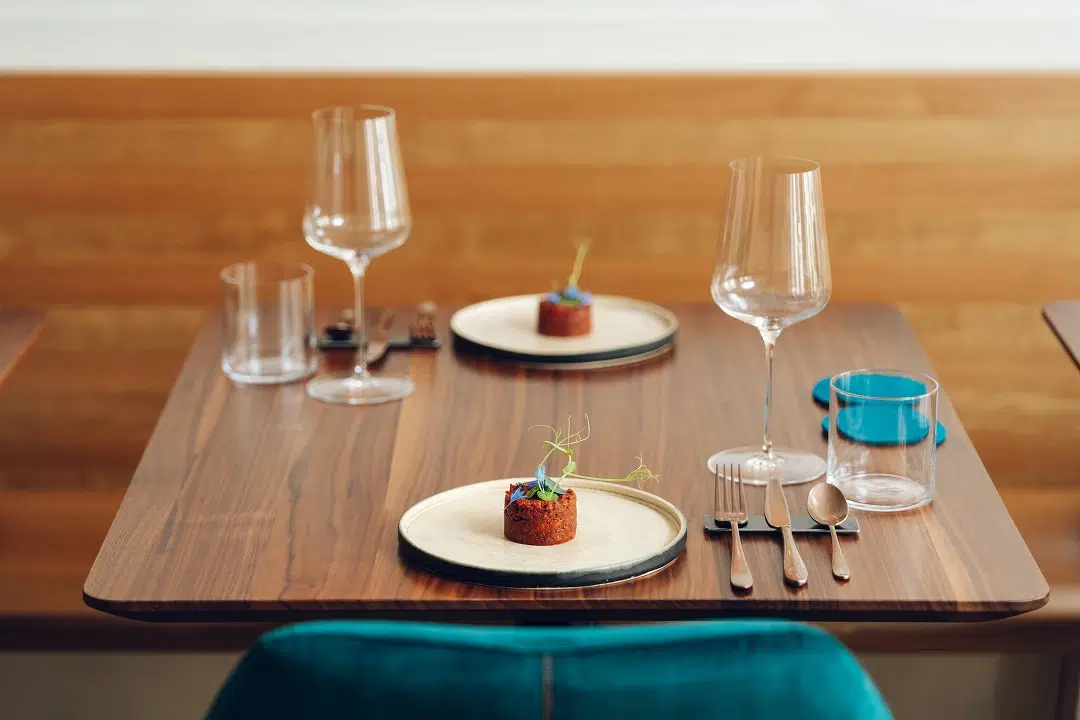
Restaurant ZOE in Bern: Winter Flavours and a New Chapter in Vegetarian Fine Dining
In the heart of Bern, winter has a particular way of sharpening the senses. Days grow shorter, flavours deepen, and meals become moments of warmth and…