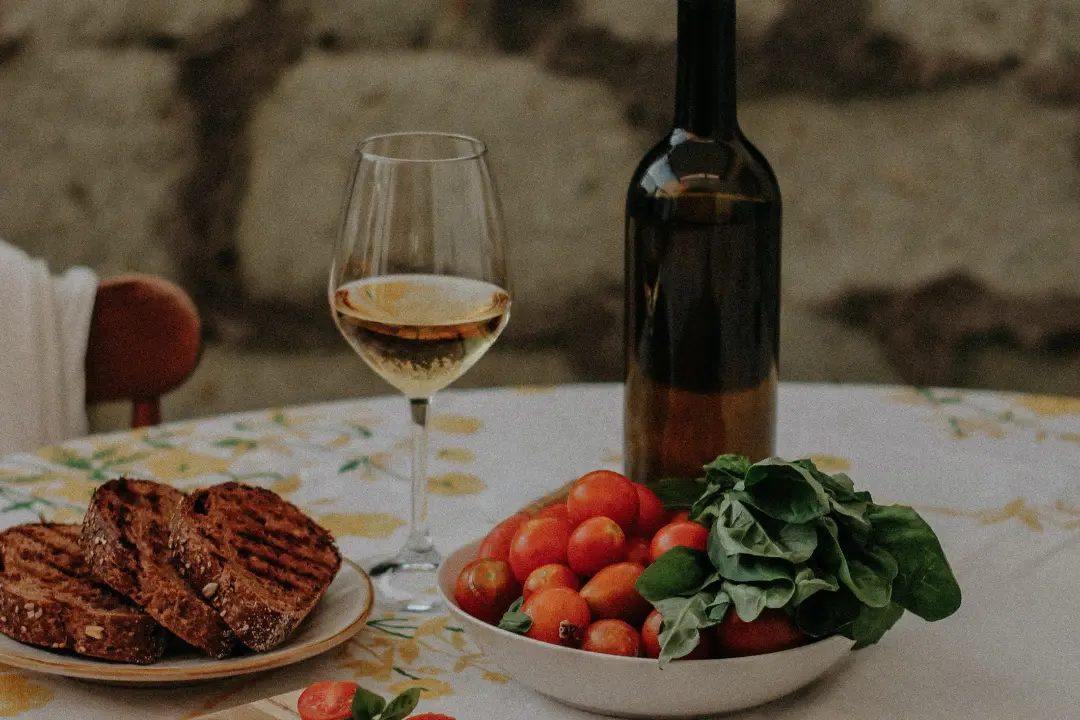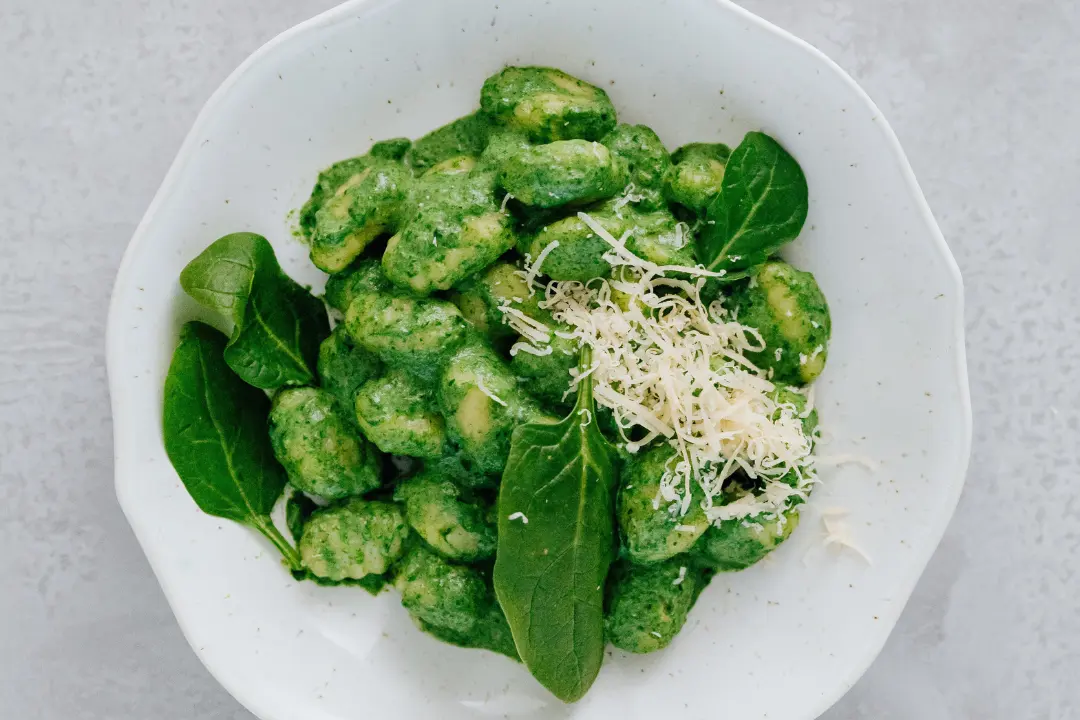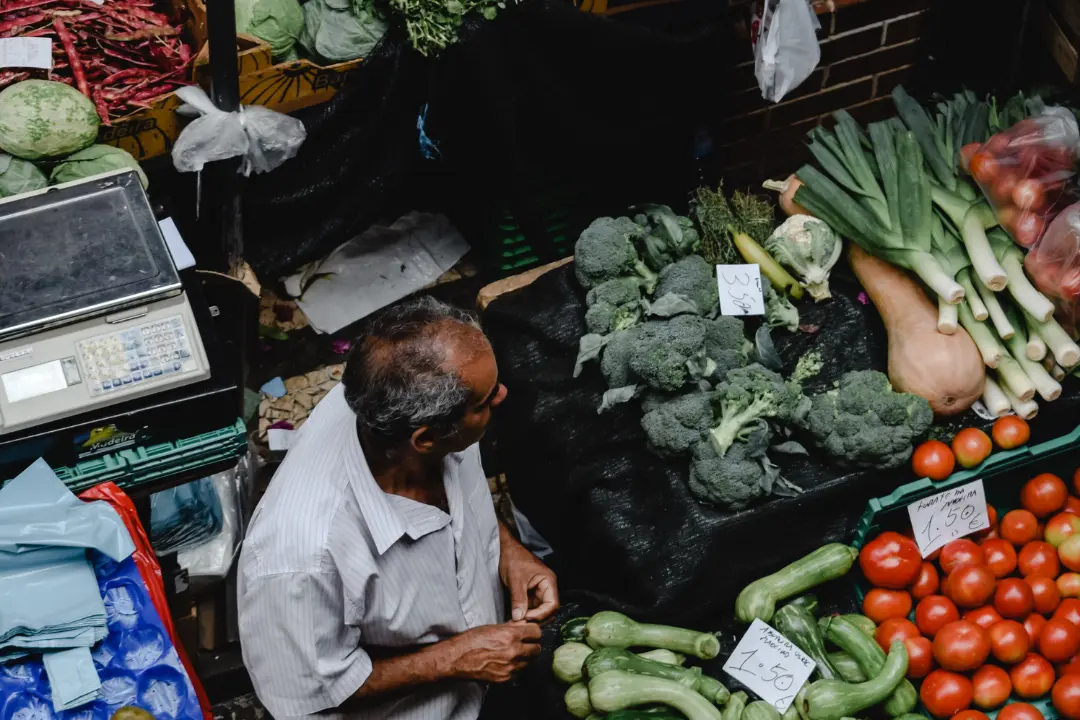
It starts with a scent. A fleeting wisp of vanilla, or the soft acidity of simmering tomatoes. And suddenly, you’re there. Back at your grandmother’s table, or a street corner in Lisbon, or a café from a life chapter you didn’t know you missed. This isn’t coincidence. It’s chemistry. Taste is never just about what’s […]
We often talk about food in terms of nutrients, calories, or trends but rarely as a language. And yet, the choices we make about what, how, and where we eat say more about us than we might think. Beyond sustenance, food becomes a mirror of our values, a vessel for our emotions, and a canvas for our identities. It speaks when we don’t, telling stories about where we come from, what we believe in, and who we aspire to be.
It’s 9:42 PM. You’re not really hungry, but that tub of ice cream in the freezer is whispering your name. Again. Why do we eat what we eat? Is it biology? Boredom? A marketing trick? A memory from childhood sealed with the scent of cinnamon? Turns out, it’s all of the above. Human food choices are rarely just about satisfying hunger. They’re the result of a complex dance between brain chemistry, emotional states, cultural wiring, and external influences—from your grandmother’s Sunday roast to that Instagram ad for truffle fries.